
There is a version of a shoot day that feels enormously productive and produces nothing. Cameras run all day, cards fill up, everyone is busy, and six weeks later the edit stalls because the footage does not assemble into anything. The material is all coverage and no film.
Coverage answers “what happened”. A film answers “why watch”
Coverage is a record. It is useful, and for some jobs it is the whole brief. But a record does not hold attention, and most clients are not commissioning a record. They are commissioning something that will be watched by people who were not there and have no obligation to keep watching.
That difference has to be decided before the shoot, because it changes what you point the camera at. A record wants the wide shot of the ceremony. A film wants the thirty seconds before it, when nobody is ready.
Write the deliverables first
Our pre production ends with a written deliverable list: a three minute film, a sixty second cut, four vertical clips, a stills selection. Only once that exists do we write the shot list, and we write it backwards. Every setup on the day has to feed at least one item on that list, or it does not go on the schedule.
This sounds restrictive. In practice it is the opposite, because it frees up the day. When you know exactly which twelve things you need, you stop filming everything defensively and start having time to wait for the moments that are not on any list.
The moment usually happens during setup
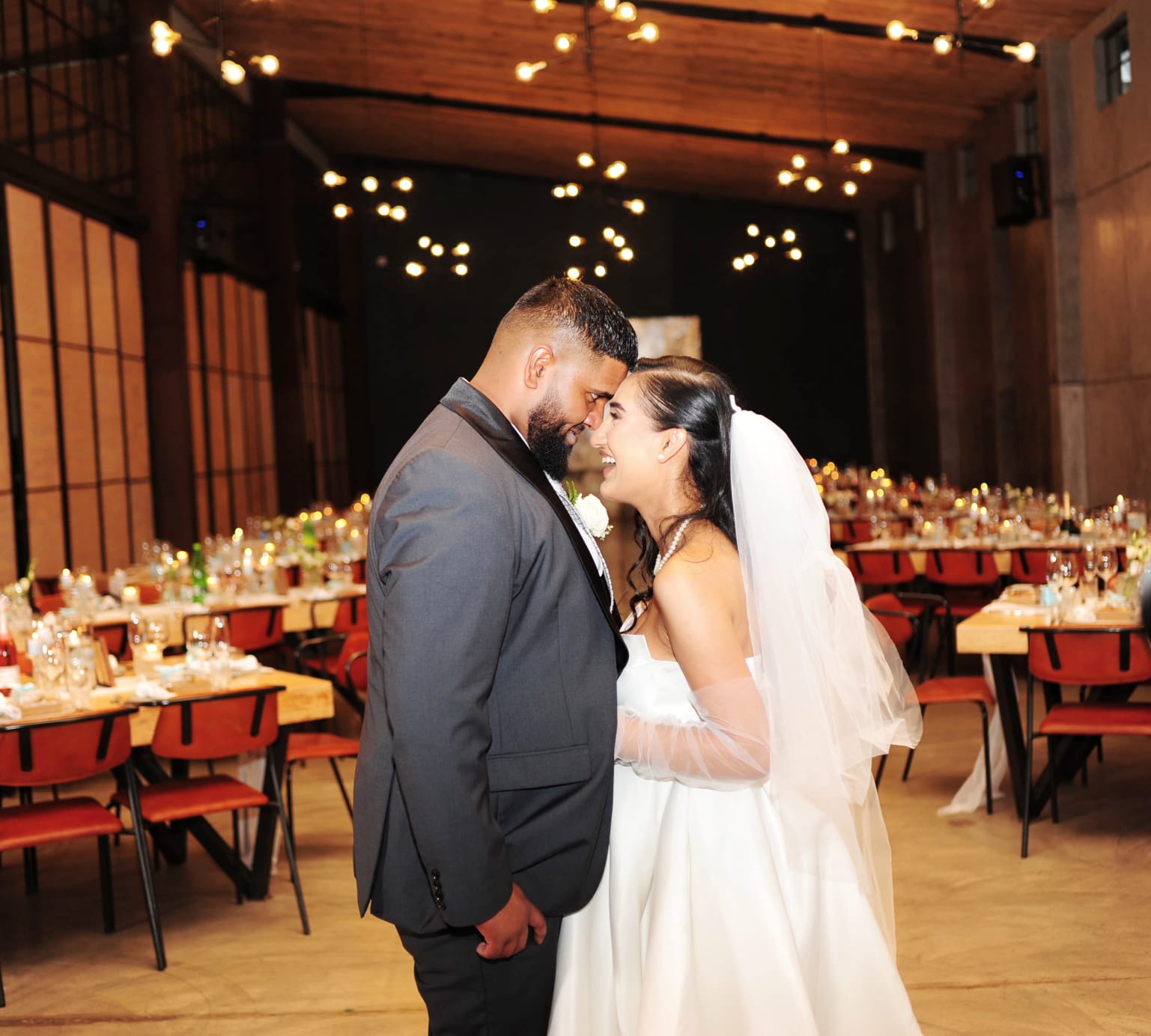
Anyone who has shot weddings for a few seasons learns this. The frame worth keeping is rarely the one everybody is looking at. It is the couple in the empty reception room ten minutes before the doors open. It is the father of the bride checking his notes. It is the reaction, not the reveal.
You can only afford to be watching for those if the rest of the day is already accounted for. That is the practical argument for planning: it buys attention.
Monitor on set, not in the edit
The other half of shooting for the edit is checking on the day. Exposure, focus, audio levels and continuity get reviewed on set while the setup still exists and can be repeated. Every problem discovered in the edit was a problem that was solvable in thirty seconds on location, and is now either an expensive reshoot or a compromise in the final film.
What this means for you
If you are commissioning video, the useful question to ask a production team is not how many cameras they will bring. It is what they intend to deliver, and how the shoot day is structured to produce it. If the answer is a list of equipment rather than a list of outcomes, you are buying coverage.